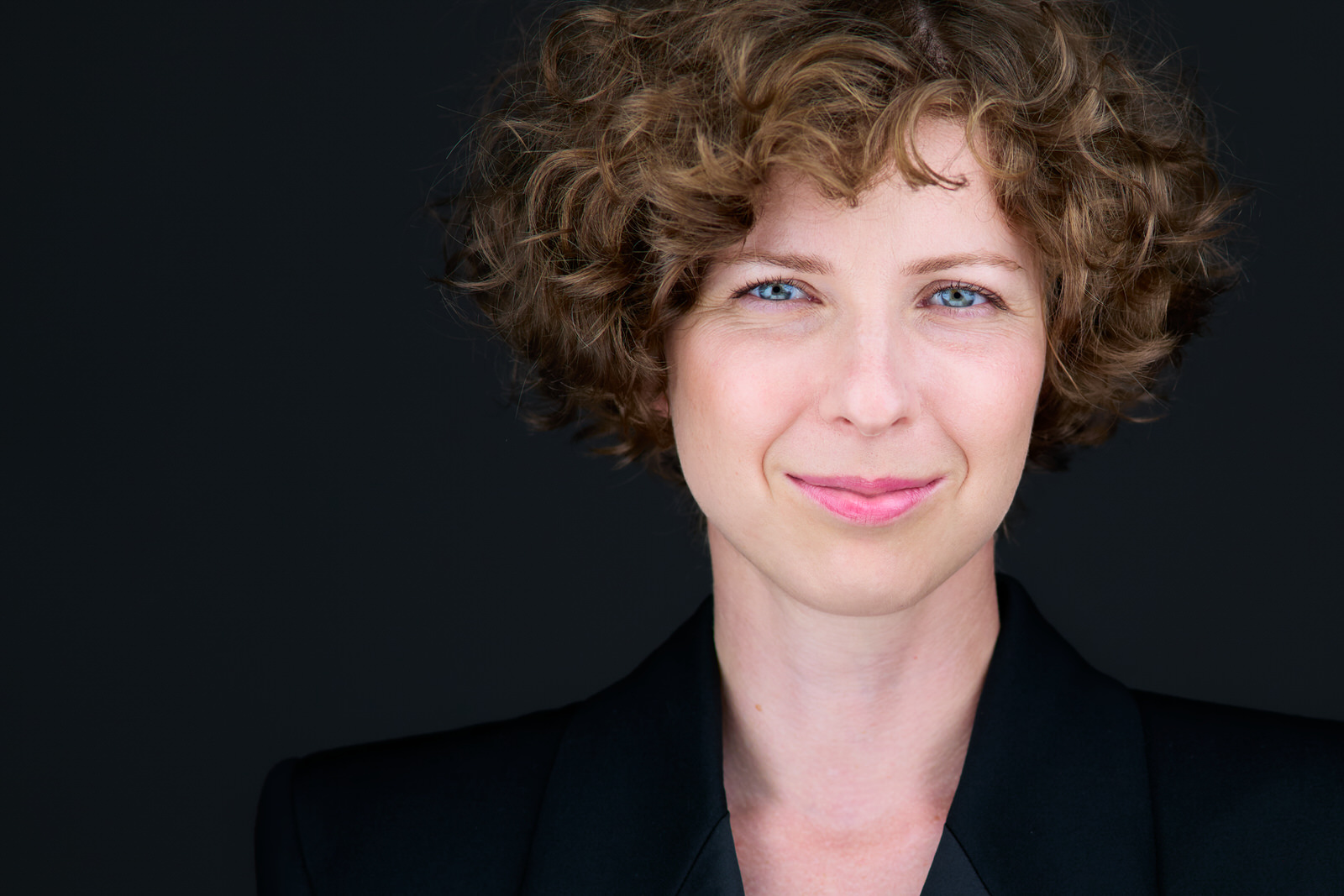
All LinkedIn specialists repeat it as a mantra: your profile starts with a professional headshot. Do the headshot first, take care of everything else after.
But what does it mean – 'professional headshot', Slava? For example, if I hire a photographer to take my photo in a professional studio using a big professional camera, lights, and all the bells and whistles – would it be professional enough for LinkedIn?
Well, it could be. If the photographer follows these Top 5 rules. Don't hesitate to ask about them – and you'll more likely end up with a much better result.
5. The Crop.
A headshot is a specific kind of portrait with just your head and shoulders in the frame. There isn't much space in the circle of your profile picture to waste it on more body. Head and shoulders are the perfect proximity to establish immediate eye contact with an onlooker.
Remember any movie you like. Only main characters are shown in close-up, never supporting actors or extras. You are the main character of your story. And this is the main picture saying everything about you. That's why you need this crop.
4. Clean Background.
A neutral white, grey, or your signature branding color is an ideal co-pilot for your headshot: it's not pulling attention away from your face – it just is, giving that satisfying feeling that you've got it under control.
3. Eye Contact.
This is how any conversation starts and goes in real life, right? And a person who's talking to you while looking aside doesn't have a chance to earn your trust or respect. So why do people still think such a look is a good idea for a LinkedIn profile picture?
2. Camera Height.
This is a hidden gem of headshot photography that doesn't seem obvious and relevant, even for photographers, so when you understand and see it, you'll be able to use it to your advantage.
The thing is that many photographers fail at shooting headshots because they don't watch the camera height. They shoot based on THEIR HEIGHT, not the subject's.
Why does it matter? The correct camera height, at YOUR chest level (not the photographer's eye level), puts you in a powerful position in the picture – exactly how a leader should look: confident and approachable. Camera height plays a significant role in any portrait and especially in headshot composition.
1. Facial Expression.
This is crucial. A natural facial expression doesn't just look engaging – it sells your personal brand at a much higher price than a generic photo.
It's not about you being or not being 'genuinely photogenic'.
You're not obliged to know what to do in front of the camera to look natural. This is the photographer's job. The photographer should coach you every step of the session – literally, how to position your head, your body, break the emotional ice – always be in touch, not just hide behind the camera and tell you to 'do your thing.'
That's it! Of course, it's just the tip of the iceberg but, like I said, following this, you'll be able to get a much better result when choosing a photographer.
Let's summarize what you've just learned:
Start with the portfolio: is there a section on the website dedicated to headshots? Does it look consistent while representing a variety of ages and ethnicities? It's important because consistency in a portfolio makes the result of your session predictable.
Are they cropped properly?
Does the background look ok – plain and simple?
What about eye contact?
Do people in photos look powerful, not diminished by the camera placed too high?
Are their expressions confident and approachable, and do smiles look natural?
Last one: do you like the overall style of this photographer? If so – this is your choice!
Enjoyed this article? Subscribe to the newsletter and get a free book